



Scientific Operations

Lab operations run faster, cleaner, and more accurately. 

We enable your science by connecting your instruments, systems, and people in your operation so that data moves without manual handoff and your team spends less time hunting for information buried across your internal platforms. 

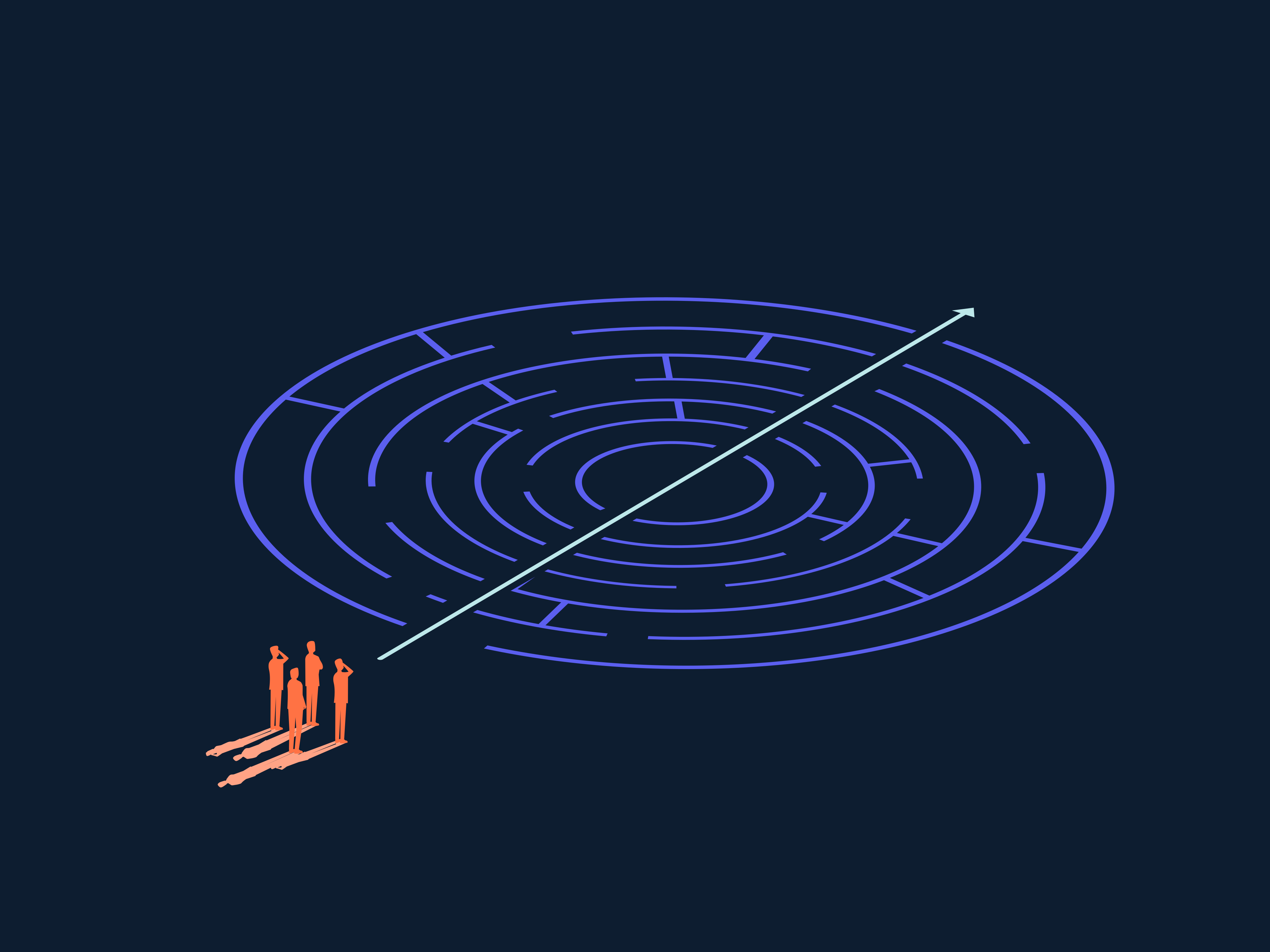
Group Stairing at Maze with A Straight Line Through It
Challenges We Solve

Operational Friction That Slows Your Science

Today's technology makes your team's biggest frustrations solvable in ways that were previously impossible. Which of these issues resonates the most? 


Challenges We Solve_Operations Page_Biohealth
How We Help

Four Ways We Remove The Friction


01
Apply AI to Real Use Cases

Put models to work on problems your team already has. 

02
Automate Manual Workflows

Remove the hand entry and copy-paste steps where errors creep in. 

03
Integrate Instruments & Data Pipelines

Move results from the bench to your systems of record automatically. 

04
Bolster Security & Manage Cloud Architecture

Protect your organization from cybersecurity threats and eliminate cloud waste.

Partnering With Us Results In


Faster To-Market
Timeline
Maximized
Resources


Reduction
in Errors
Compliance
Readiness
Modernized
Systems

Why Teams Hire Us

Expertise in Scientific Environments_Instrumentation
Expertise in scientific environments

Our team includes technologists with lab and bioinformatics experience who understand lab operations, constraints, and culture.

Reduced Commercialization Risk
Reduced commercialization risk

We identify gaps early, before they become launch delays or security and compliance setbacks.

Collaborative By Design_Instrumentation
Collaborative by design

Clear communication, a proven project process, and a partnership mindset from day one. Most of our clients stay long term.

Breadth of Experience_Instrumentation
Breadth of experience

A wide range of specialized skill sets and an extensive track record across biohealth, transportation, and government work.

Yahara helped design the automatic workflows we are using now, which is saving us time and improving data quality, because it removes the possibility of human error. We appreciate that Yahara has been a flexible partner that helped our team learn and grow. They responded to needs seen and unseen and helped us get to the finish line, including defining what the finish line was.
Darin Green
Senior R&D Project Manager, Thermo Fisher Scientific
There have been a number of times where I've come to Yahara with a problem and they have come back to me with a better solution than what I proposed – one that would work better in the long run, better address the problem, and would be easier to implement. And I think that is just something that only comes with having a lot of passion for the project.
Caroline Johnson Signorelli
Senior Application Scientist at CellX Technologies
This is exactly why we hired Yahara. We wanted someone with expertise and an outside view — not just us complaining because we're the paying customer. Yahara brought objectivity and clarity around what wasn’t working and what to do about it.
Current Client
I was very impressed with the turn around time. It became fairly obvious that you have a lot of individuals with a lot of skills. We were definitely able to see that. Definitely going to continue to work with you guys in the future.
Jacob Jankowski
Partner, Advanced Concrete
The executive team is thrilled with what you’ve done so far. We’re excited to continue this partnership.
Current Customer

Common Questions

If yours isn't here, reach out to us.

FAQ Section_Operations Page_Biohealth

Do we have to replace the systems we already use?

No. Working within your existing ecosystem, including the LIMS or ELN you already use, is usually cheaper and faster than replacing it, and it protects the investment you have already made. Where a legacy system is holding you back, we modernize it in phases. 


How do you handle regulatory and security requirements?

They shape the architecture from the start. We are SOC 2 audited, work in validated and controlled environments, and document as we build so evidence exists when it is needed.


What does an engagement look like?

An assessment of your challenges, a written recommendation you can evaluate before committing, a phased build with validation and testing, then ongoing tuning, training, and support.


Who owns the software you build?

You do. Code, documentation, and infrastructure definitions are yours, and we hand off in a state your team can maintain.


Can you integrate with the LIMS or ELN we already use?

Yes. Working within an existing ecosystem is usually cheaper and faster than replacing it, and it protects the investment you have already made.


Where is your team located?

Madison, Wisconsin. Engagements are staffed with U.S.-based teams.


Data.AI Badge Microsoft Solutions Partner Digital.App Innovation Badge Azure Micrsoft Solutions Partner Security Scorecard (Global leader in cybersecurity ratings, response, and resilience) Soc2 SVG Terraform Certification Badge
Work With Us

Talk to us About Your Teams Challenges

What would make a meaningful difference in your team's workflow? Talk to us about it, and we'll share what we can do to help.